President’s Message: Our New Passport Registry is Live!

This is a very busy and exciting time of year! Schools are renewing their WCA EDUcation memberships at a fast rate. Added to this we are launching our new Passport Registry portal and navigating through the new process that will ultimately save a lot of user/teacher and administration time.

We also continue to advance WCA’s industry outreach program through the issuance of press releases – including one about the new Passport Registry — and deployment of the Pathways newsletter.

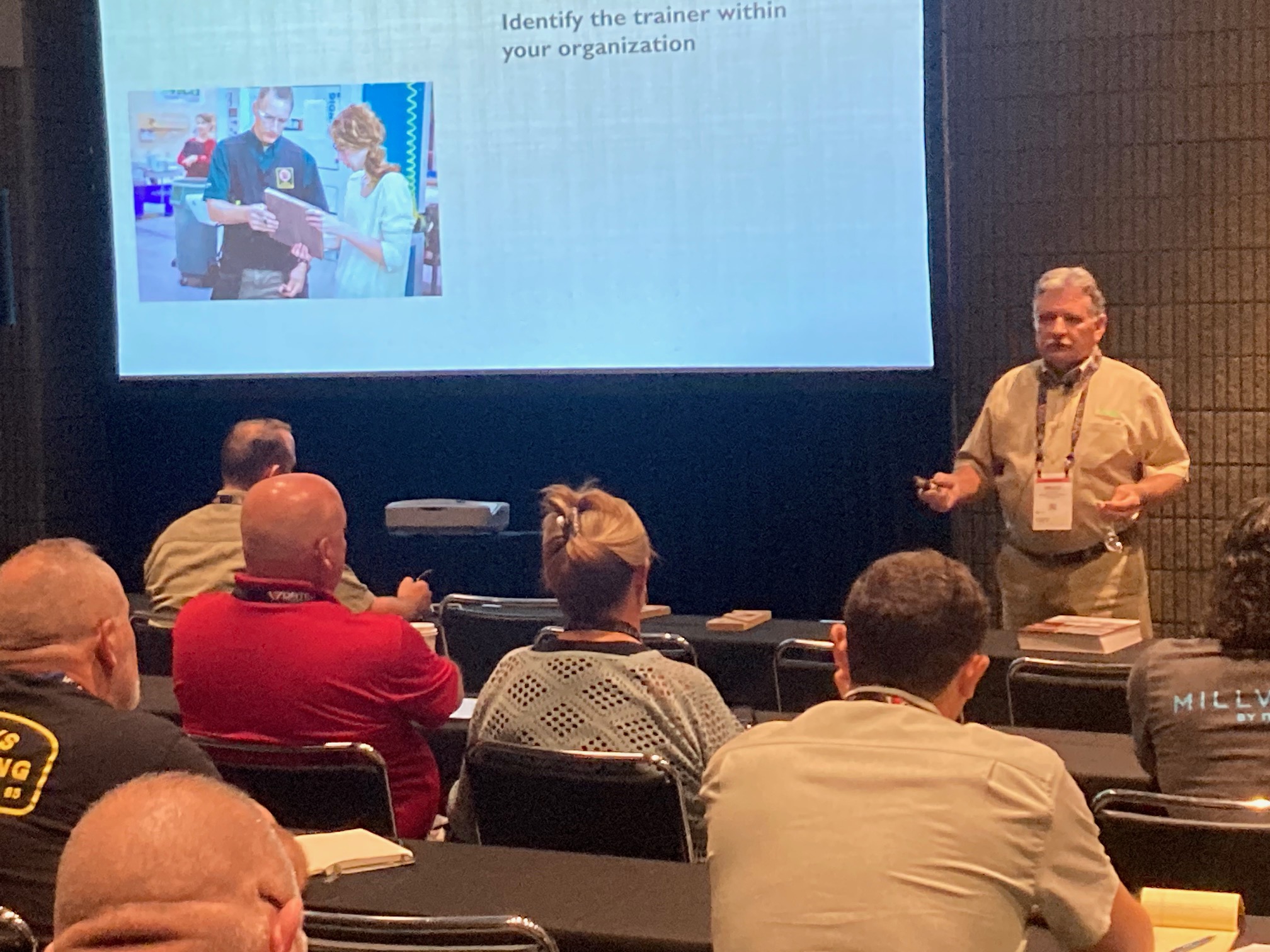
Woodwork Career Alliance Training workshop at IWF 2026

Bruce Spitz, member of the WCA Board of Directors, joined Scott Nelson in presenting a workshop, “Building & Executing an In-house Training Program for Your Workers,” at IWF 2026.


We experienced a very successful IWF 2026 presence, including at our workshop on developing an in-house training program, lively activity with attendees at our booth, and the successful Silent Auction organized by Expo Auctions and IWF. On all of these fronts, I want to thank IWF for all their continued support of our mission to develop and grow a skilled woodworking workforce!

With IWF in the rearview mirror, the WCA turns its attention to displaying our Skill Standards and Passport Credentialing System to educators attending the national ACTE CareerTech Vision 2026 Conference in New Orleans this December.

For our readers that might not be involved with using the new Passport Registry, I would like to share a brief description of why we decided to start over from the ground up to build a registry that would meet the needs of our schools and manufacturing members moving into the future.

The new streamlined registry will speed the process of recording hands-on evaluations and online testing results for our Educators. The awarding of Credentials will be automated and available for printing immediately upon completion of all requirements by the candidates and the evaluators. Administrators will have the ability to produce reports that will help us guide the direction of WCA in the future. I personally want the thank Greg Larson and his team of developers on a job well done!!

As always, we thank the continued support of our GOLD & SILVER Sponsors! These companies truly allow us to continue to develop our programs and accomplish our goal of building a trained workforce.

I hope you all have a Wonderful Thanksgiving!

Sincerely,

Scott Nelson
President
Woodwork Career Alliance of North America
snelsonwca@gmail.com

Welcome New Members & Sponsors!

The Woodwork Career Alliance of North America is pleased to welcome the following new members and renewing sponsors.

Thank you for your membership and support!

New EDUcation™ Members
  Bayfield High School – Bayfield, CO
  Chatham Central High School – Bear Creek, NC
  Powell High School – Powell, WY
  West View School – Calgary, AB

New MANufacturing™ Members 
  Joseph A Interiors – De Pere, WI
  Woodlane – Tallahassee, FL
  Kabinets by Kinsey – Tampa, FL

New Industry™ Gold Member
  Woodcraft Supply
– Parkersburg, WV

INDustry™ Gold Sponsor Renewals
  Grizzly Industrial – Bellingham, WA
  KCD Software – Cataumet, MA
  Kerfkore
– Brunswick, GA     

New Industry™ Silver Member
  Mereen-Johnson
— Minneapolis, MN

INDustry™ Silver Sponsor Renewals
  Crows Nest Software – Olympia, WA
  GDP Tooling – Marietta, GA
  Hafele America – Archdale, NC

View all WCA INDustry™ Sponsors & Supporters.


Learn more about the benefits of becoming a WCA sponsor.

AWFS Fair Issues Call for Students to Enter Freshwood Design Competition

2027 AWFS Fair Freshwood Logo

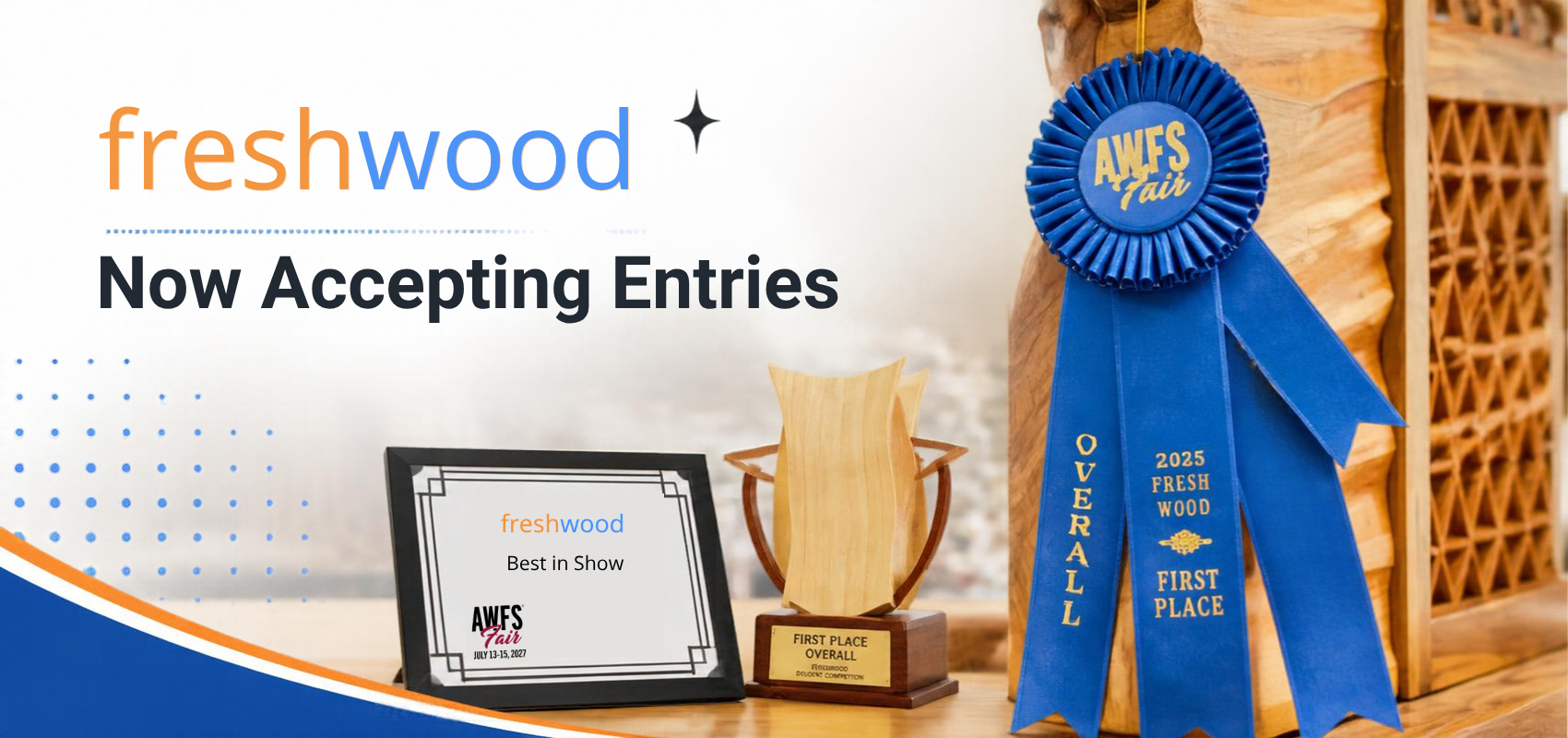
The Association of Woodworking & Furnishings Suppliers will host its biennial Fresh Wood student furniture competition at the 2027 AWFS Fair, July 13-15 in Las Vegas. The competition is open to high school and post-secondary students ages 16-35 in accredited woodworking or related programs.

There is no fee to enter. Entry applications will be accepted until April 15, 2027.

2027 Special Theme: Sports & Games
From sporting equipment to game tables and chess sets, the 2027 Fresh Wood Special Theme invites students to bring their creativity to the world of sports and games. Last offered in 2019, this theme was well-received, making it an exciting choice to bring back for 2027.

Students can explore a wide range of possibilities, including tennis rackets, hockey sticks, fishing and hunting equipment, canoes, dartboards, card tables, pool tables, ping-pong tables, chess sets, and more. The theme encourages students to combine creativity, functionality, and craftsmanship in projects inspired by the sports and games they enjoy.

New for 2027: Musical Instruments and Digital Fabrication
Fresh Wood is expanding its opportunities for student creators with the addition of a dedicated Musical Instruments category and the introduction of Digital Fabrication, replacing the former Design for Production category.

The Musical Instruments category gives students a dedicated opportunity to showcase instruments designed to produce sound, including string, percussion, woodwind, and other types of instruments. Entries will be recognized for originality, craftsmanship, design, functionality, and quality of construction. Instruments should be playable or demonstrate their intended musical function. By creating a dedicated category, AWFS hopes to encourage a wider variety of entries, from guitars to less traditional musical creations.

Digital Fabrication reflects the evolving tools and technologies students use to bring their ideas to life. The category welcomes projects that incorporate digital design and fabrication methods, including CNC machining, 3D printing, laser cutting, and other digital fabrication processes. It also creates opportunities for students working in maker spaces and other technology-focused learning environments to participate. Students may use AI and other available tools as part of their creative process, reflecting the growing role of technology in modern design and manufacturing.

Seven Categories to Showcase Student Talent
The 2027 Fresh Wood competition features seven categories: Case Goods, Seating, Tables, Open, Musical Instruments, Digital Fabrication, and the Sports & Games Special Theme. Together, these categories offer students a variety of ways to showcase their skills, from traditional furniture making to musical instrument construction and technology-driven fabrication. The competition celebrates the next generation of creators and the many ways they are shaping the future of woodworking.

Entries will be evaluated by a panel of judges representing different areas of the woodworking industry. Judges’ scores will determine the finalist projects selected for display at the AWFS Fair. AWFS covers project shipping within the contiguous United States and most student attendance costs, helping make participation in thecompetition and Fair more accessible.

Recognition, Cash Prizes and Industry Exposure
The Fresh Wood entry deadline is April 15, 2027. Finalists will be on display throughout the AWFS Fair July 13-15, 2027.

Winners will be identified and announced at an Awards Ceremony during the show, open to all attendees and exhibitors. First place, second place and honorable mention awards may be given out in each category and at each school level. A “Best of Show” award will also be selected from all first-place category winners, and the recipient will receive a custom trophy from an accomplished woodworker. A People’s Choice
award, for which all AWFS Fair attendees and exhibitors have the opportunity to vote, will also be given. All winners receive cash prizes, and the winning pieces will be featured on the AWFS website and future publications.

For more information and entry instructions, visit AWFSFair.org or contact: AWFS Education & Member Services Director Nicole Taylor, (323) 215-0311 or nicole@awfs.org.

About AWFS Fair
The full-scale international AWFS Fair, scheduled for Tuesday-Thursday, July 13-15, 2027, in Las Vegas, has become a critical hub for international commerce in the woodworking industry. The AWFS Fair brings together the home and commercial furnishings industry, including manufacturers and distributors of machinery, hardware, lumber, construction materials and other suppliers to the furniture.cabinet manufacturers and custom woodworkers. For more information, visit AWFSFair.org.

Woodwork Career Alliance Launches New All-in-One Passport Registry

Updated platform combines Passport Credentialing System tracking, online testing, e-commerce, and administrative reporting for woodworking education and training.

LINCOLN, Neb. — The Woodwork Career Alliance (WCA) has launched an updated Passport Registry that combines key administrative and training tools into a single platform for woodworking programs, students, and manufacturers.

The updated registry functions as WCA’s central database for its Passport Credentialling System, storing candidate records, earned credentials, test scores, experience hours, and assessment histories. Students can use the system to track their progress toward certification and take required quizzes. Instructors and WCA Skill Evaluators can use it to manage memberships, enroll students, buy assessment credits, and record hands-on evaluations.

“This new registry is a major investment in our members and woodworking education,” said Greg Larson, vice president of the WCA. “We built the platform from the ground up to replace separate tools, speed up system performance, and make the experience easier for students, instructors, and evaluators.”

Key Features and Updates:

  • Unified Website Integration: Built directly into the official WCA website (woodworkcareer.org), making navigation simpler across the platform.
  • Direct Purchasing: Members and administrators can buy assessment credits and renew memberships directly inside the registry.
  • Built-In Online Testing: Testing now happens directly in the registry. The system tracks Skill Points earned during hands-on assessments under WCA Skill Standards and notifies candidates when their final exam is ready.
  • Instant Certificate Downloads: Passing candidates can immediately download high-resolution PDF certificates from their dashboard.
  • Instructor Dashboards: Educators can monitor student progress, review test scores, and manage pending candidate approvals in real time.

To learn more or explore the new registry, visit woodworkcareer.org.

About the Woodwork Career Alliance
The Woodwork Career Alliance of North America (WCA) is a 501(c)(3) non-profit corporation founded in 2007. Governed by a volunteer board of directors, the WCA’s mission is to develop and administer a unified set of Skill Standards for the wood products industry. Since 2011, WCA has developed observable and measurable performance standards and assessments for over 240 woodworking machine operations. The WCA has issued over 10,000 Passport credentials, a portable, personal permanent record documenting woodworking skill achievements. Over 140 high schools and post-secondary schools across North America are WCA EDUcation™ members, and a growing number of woodworking companies have joined as WCA MANufacturing™ members. To learn more about the WCA and how to get involved, including INDustry™ Sponsorship opportunities, visit woodworkcareer.org.


How to Get Kids Interested in Woodworking

The Woodwork Career Alliance was recently featured in an article published by WCA Gold Sponsor Woodcraft Supply, titled “Supporting Future Makers: How to Get Kids Interested in Woodworking.”

The article highlights how inspiring future woodworkers begins right in our own communities. From parents inviting kids into the shop to local businesses providing materials, mentorship, and job opportunities, everyone plays a vital role.

WCA Communications Director Rich Christianson and John LeTourneau, Chair of the National Woods Board, each emphasize that collaboration across schools and industry groups is the key to creating sustainable career pathways.

Read the article to discover how you can support youth woodworking.

Congrats to the 2026 SkillsUSA National Cabinetmaking Champions!

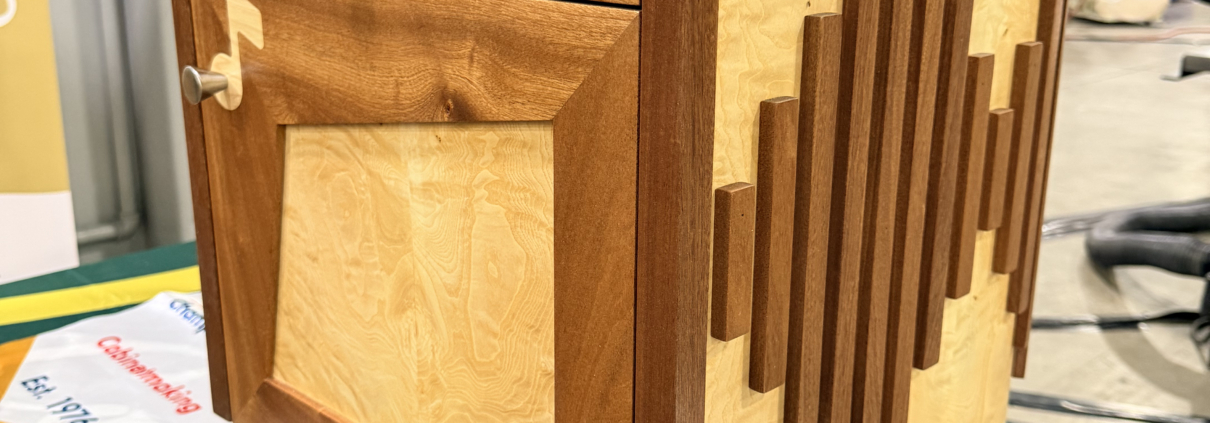
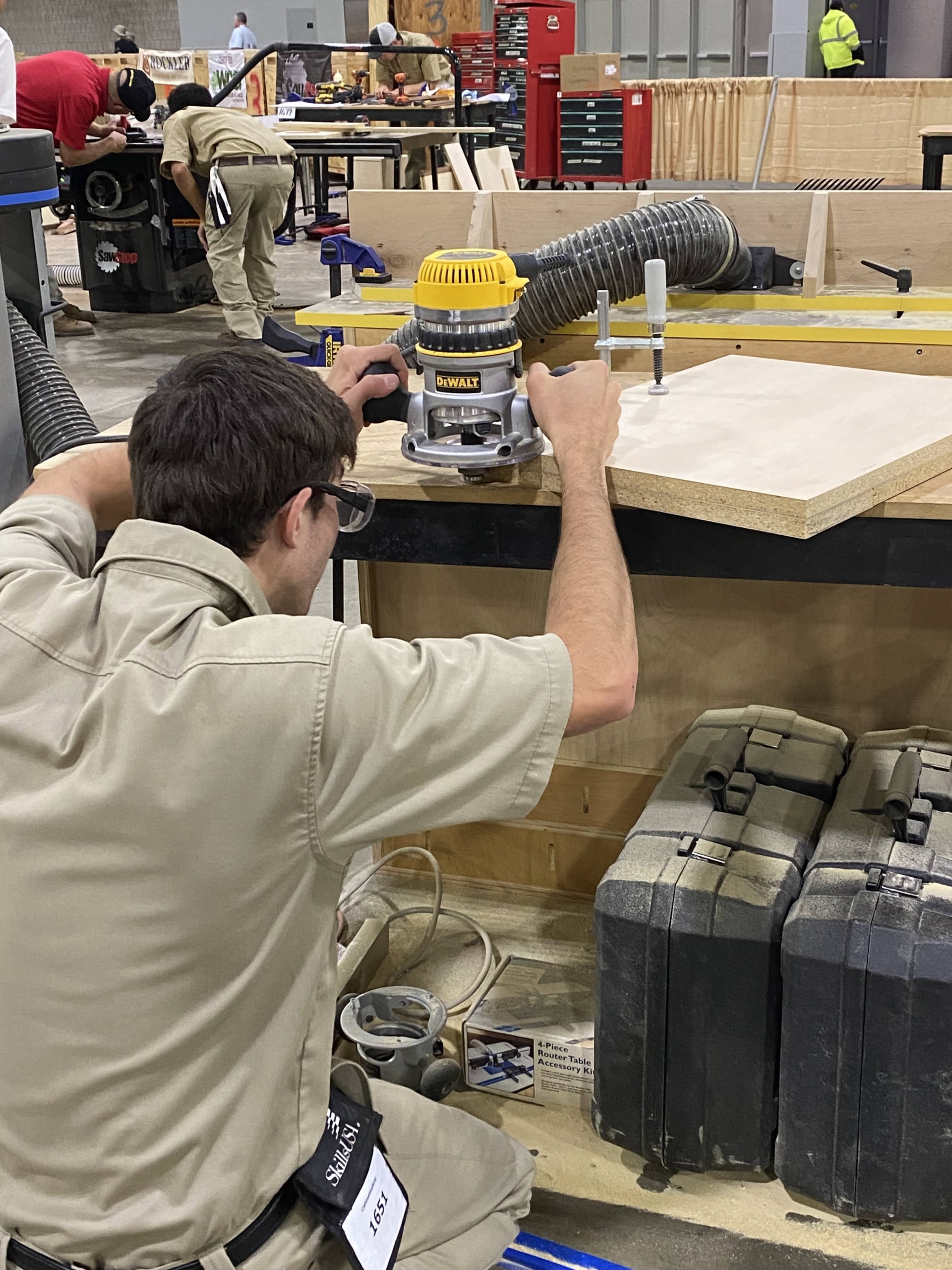
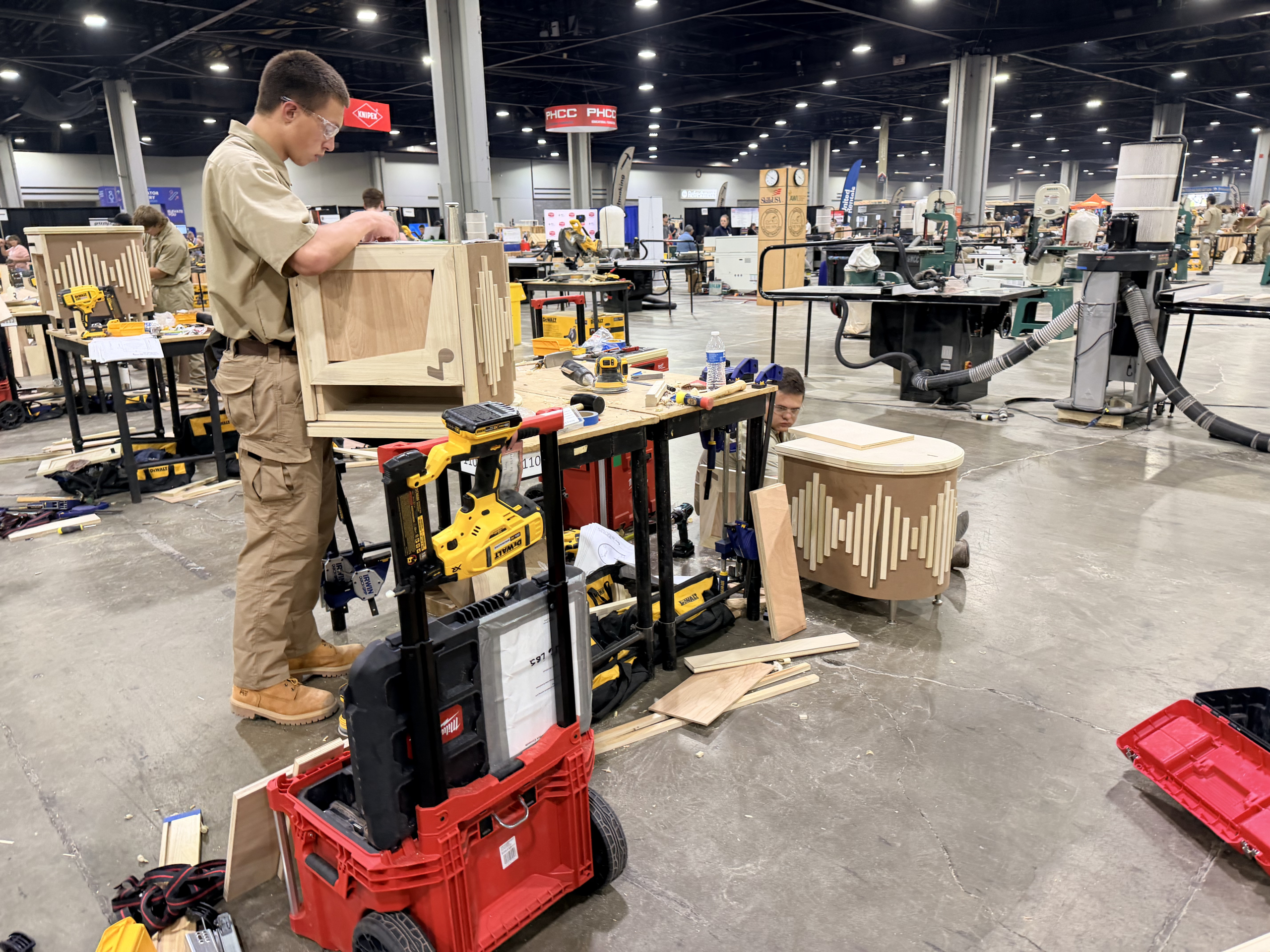
SkillsUSA 2026 National Cabinetmaking CompetitionFrom June 1–5, 2026, a large swath of the Georgia World Congress Center in Atlanta transformed into a bustling arena for the 2026 SkillsUSA National Championships.

The Cabinetmaking Competition pitted postsecondary and high school winners from states throughout the nation.

This year’s intense competition tasked students with building a challenging veneered cabinet designed by Kent Gilchrist, Technical Chair of SkillsUSA and chairman of the Woodwork Career Alliance Board of Directors. Competitors were required to interpret detailed blueprints, lay out components, generate accurate cut lists, and machine every piece under the added pressure of a countdown clock.

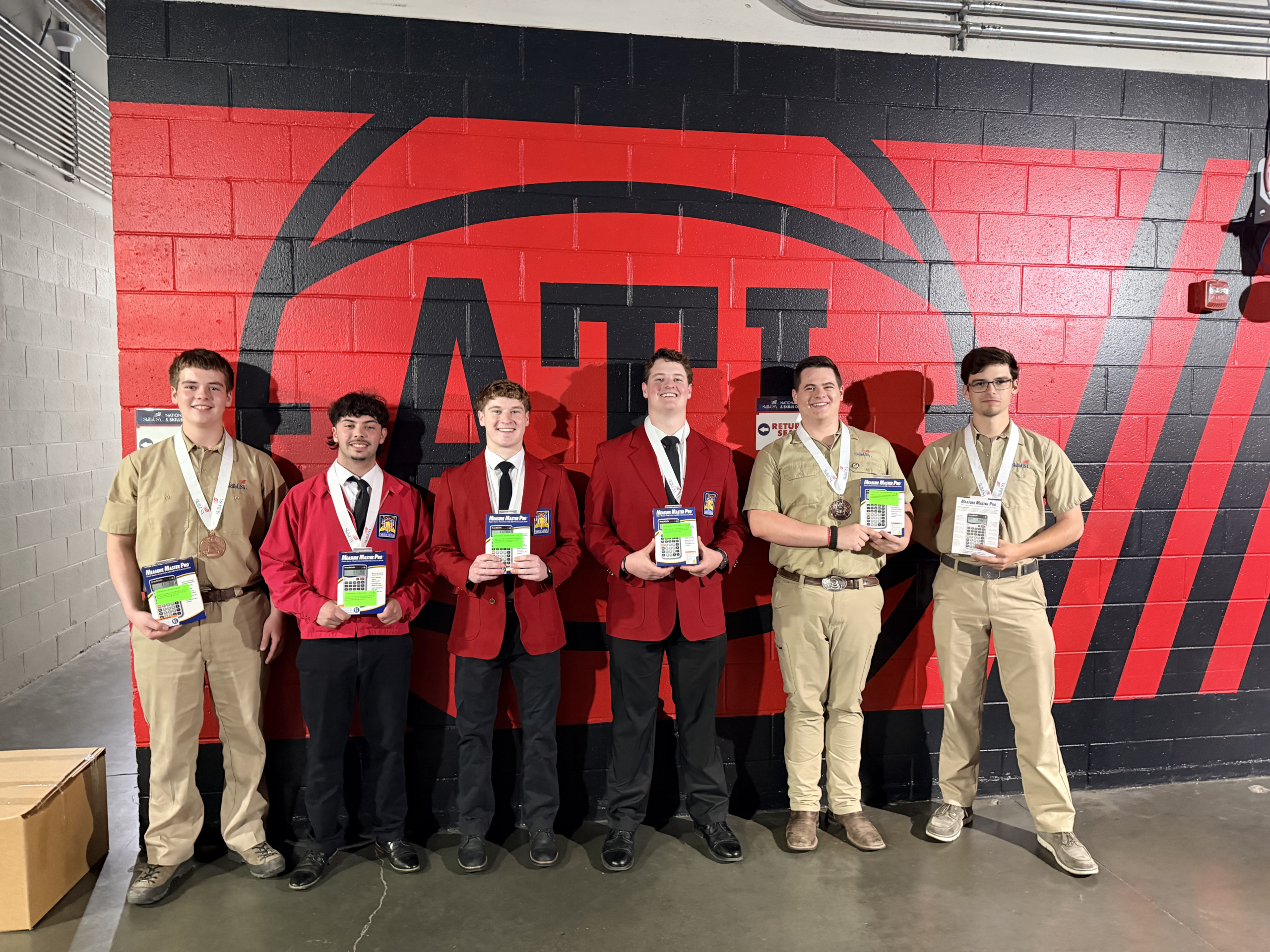
SkillsUSA 2026 National Cabinetmaking CompetitionEarning their place on the podium for the 2026 SkillsUSA National Cabinetmaking competition were:

Postsecondary Division

Gold: Brody Leerssen — Sheridan College (Sheridan, WY)

Silver: Nikolaus Brown — Utah Valley University (Orem, UT)

Bronze: Ed Brannon — Northwood Technical College (Rice Lake, WI)

High School Division

Gold: Michael Silva — Greater New Bedford RVTHS (New Bedford, MA)

Silver: Graeden Adams — Blackfoot High School (Blackfoot, ID)

Bronze: Riley Rohrer — Kodiak High School (Kodiak, AK)

The SkillsUSA Championships serve as the national culmination of a year-long journey. Starting in local school chapters, students advance through district, regional, and state competitions to earn their spot on the national stage in Atlanta.

The National Cabinetmaking contest was one of 155 trade categories that brought together over 6,800 state champions. Nearly 2,000 industry volunteers served as judges and supervisors, evaluating competitors on essential skills required in each of the wide-ranging contests including Carpentry, Welding, Automotive Service Technology, Cosmetology, and Culinary Arts.

SkillsUSA 2026 National Cabinetmaking Competition

Gary LeBlanc National Woods Board

Building America’s Next Generation of a Skilled Woodworking Workforce

Susquehanna Valley Technical Institute

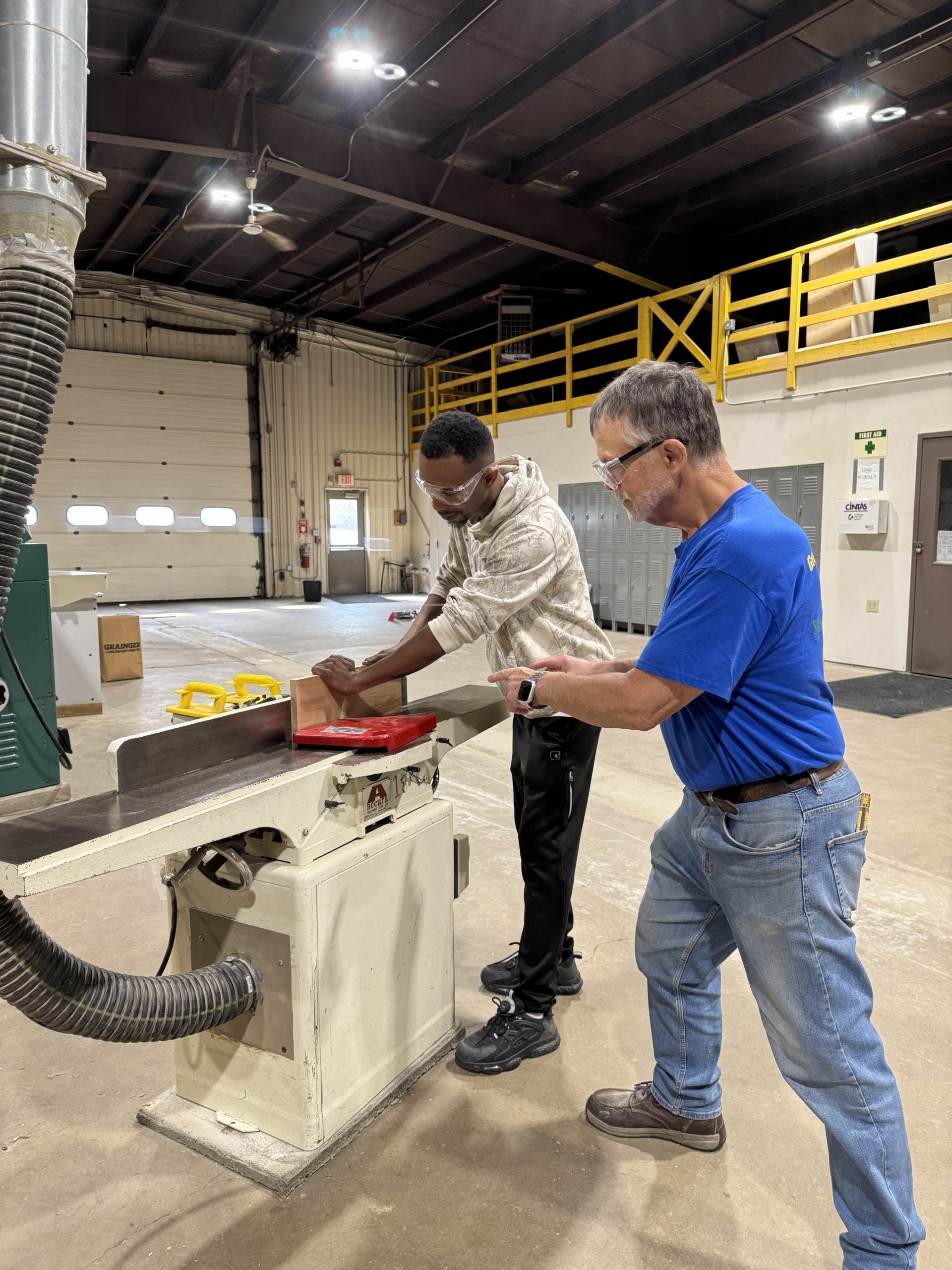
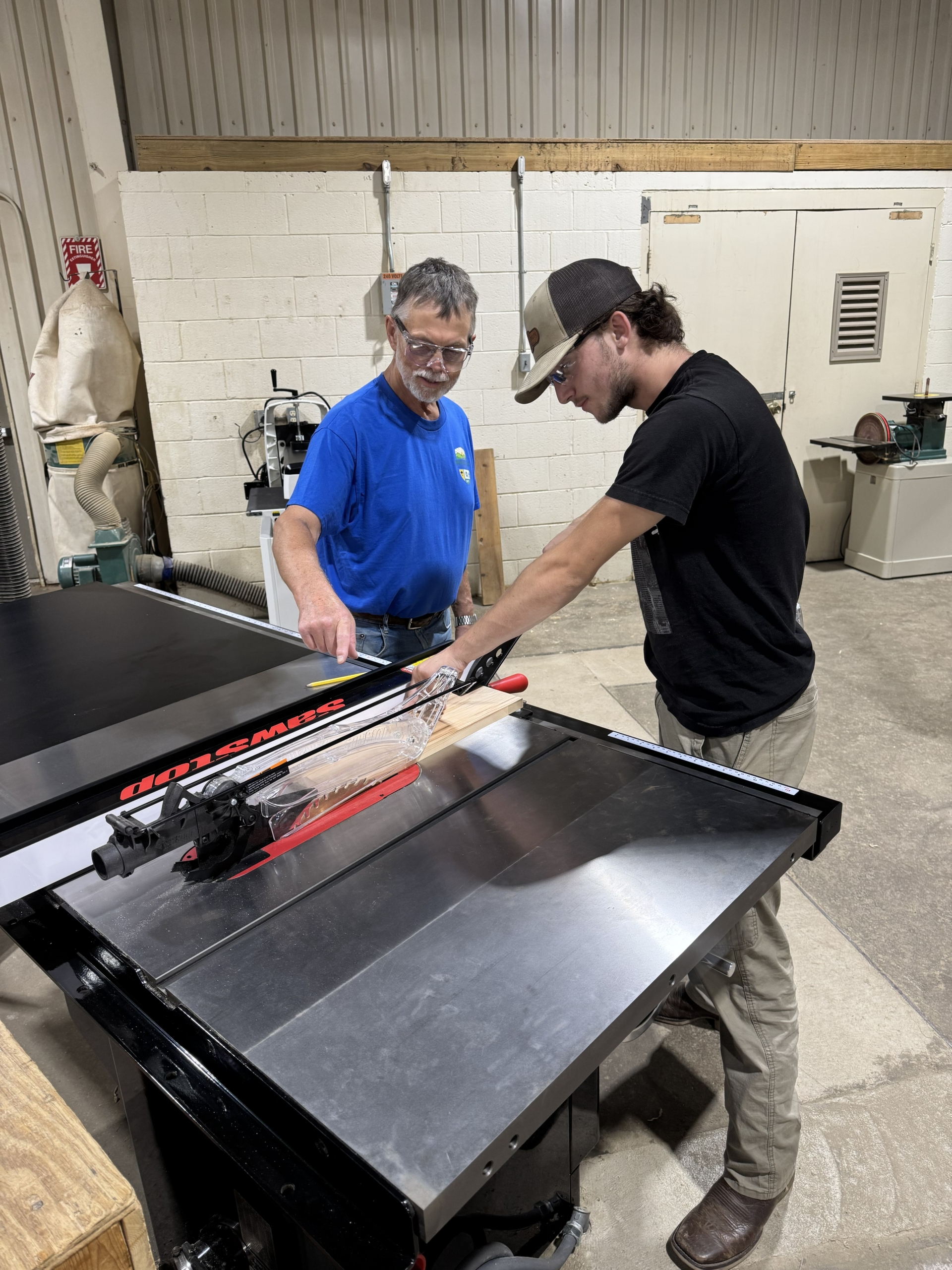
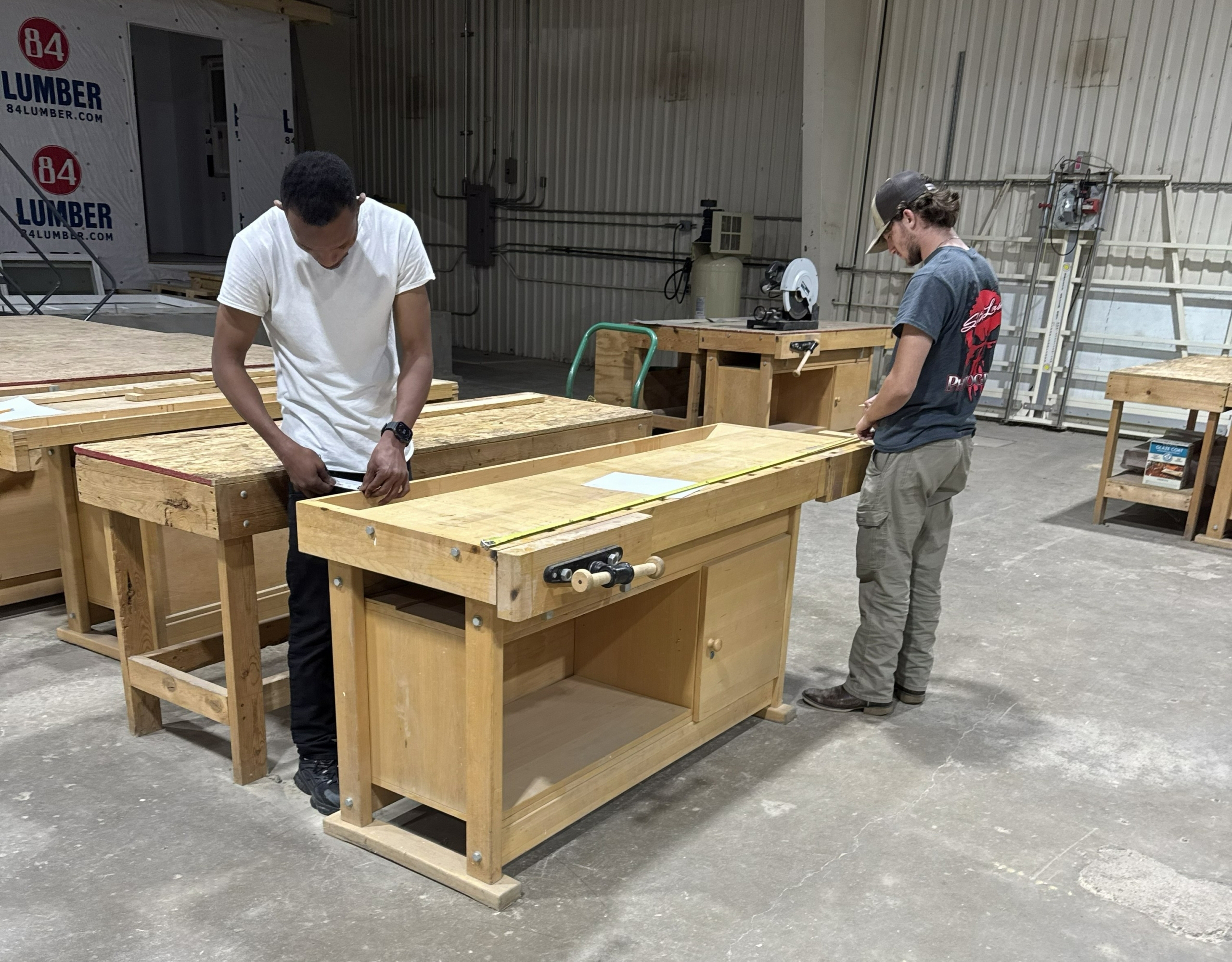
Frank Hanley instructs a student at Susquehanna Valley Technical Institute’s new woodworking program.

America is undergoing a significant demographic shift in its workforce. We have experienced major labor-force transitions before, including the movement of millions of Americans from farms to factories and cities, the labor demands created by World War II, and the entry of the Baby Boom generation into the workforce. Today, we face the other side of that demographic wave as Baby Boomers retire, but none as significant as today.

The U.S. Census Bureau has identified 2030 as an important demographic turning point. By then, all Baby Boomers will be older than 65, and approximately one in five Americans will be of retirement age. These retirements will create tremendous opportunities for younger workers, but they will also create serious challenges for employers.

The problem is not simply replacing people. When experienced employees retire, companies can lose decades of institutional knowledge and technical expertise. This is particularly important in the skilled trades and manufacturing, where proficiency is often developed through years of hands-on experience.

How Did We Get Here?
For decades, young people heard a familiar message: “Go to college. Learn computers. That’s the future.”

At the same time, vocational education and traditional shop programs declined in many schools. The reasons were complex. The 1983 federal report A Nation at Risk called for higher academic standards and stronger graduation requirements, although it also recognized the importance of vocational education. Later policies, including the No Child Left Behind Act of 2001, increased the emphasis on standardized testing and measurable academic performance.

Combined with budget pressures and a growing cultural preference for four-year college degrees, these trends contributed to vocational and technical education receiving less attention in many communities.
Susquehanna Valley Technical Institute

The timing was significant. The early 1980s were also the beginning of a technological transformation. Personal computers were rapidly advancing, Microsoft Word and Lotus 1-2-3 appeared, ARPANET adopted TCP/IP protocols that helped establish the foundation of the modern Internet, and computer science was increasingly viewed as essential to America’s economic future.

The message to young people was understandable: technology represented the future.

What we failed to appreciate was that technology would also transform manufacturing.

Today’s woodworking facility is not the shop many people remember from decades ago. Modern wood products manufacturing combines traditional knowledge with CNC equipment, computer-aided design and manufacturing, automation, advanced materials, robotics, production systems, and increasingly sophisticated software.

The future was computers. But computers did not eliminate manufacturing. They became part of manufacturing.

What I Learned from the Industry
My involvement in this issue comes through my work with industry trade associations. I serve as Richelieu America’s Organizational Development Director and liaison to organizations including the Kitchen Cabinet Manufacturers Association, Architectural Woodwork Institute, Cabinet Makers Association, Association of Closet and Storage Professionals, and National Woods Board Education Program where I serve as an advisor.

That involvement has given me insight into both the workforce problem and some potential solutions.

The North American wood products industry is large but highly fragmented. CCI Media reports that there are over 145,000 wood product manufacturing companies in North America. Fewer than 2% are members of a trade association. Most believe they can’t leave their shops to invest the time to gain more knowledge. Kitchen cabinets, architectural millwork, closets and storage, furniture, store fixtures, displays, and other segments frequently have their own organizations and priorities. There is no single governing organization.

Construction has been more successful at creating broadly recognized career pathways, apprenticeships, industry standards, and partnerships with high schools and community colleges. Wood products manufacturing would benefit from a similarly coordinated effort to develop the next generation of skilled workers.

A Pennsylvania experiment
My direct involvement in workforce education began through a chance encounter with a customer in Pennsylvania. That introduction eventually connected me with educators, business leaders, and government officials in the Sunbury area who were working to expand postsecondary technical education for a four-county region. This school, known as the Susquehanna Valley Technical Institute, will become Pennsylvania’s 16th community college.

Through my industry associations, I was already familiar with wood products manufacturing curricula, student and teacher certification, textbooks, lesson plans, equipment requirements, and the capital investment necessary to establish a training program.
The effort took more than two years and ultimately contributed to the creation of a wood-products manufacturing course that began instruction on August 24, 2026.

Included in this effort was the establishment of an advisory panel helping the school develop apprenticeship opportunities, advise on curriculum, and connect the program with industry resources and materials.

That experience demonstrated something important: industry does not have to wait for somebody else to solve the skilled-labor problem. Employers, educators, associations, and communities can work together to build solutions. This is the grassroots work that must take place in order to bridge the gap between education and industry.

Bringing the Idea Home to North Carolina
After my work in Pennsylvania, I realized that I was helping address workforce problems elsewhere while doing little about the same problem in the region where I live in North Carolina.
Susquehanna Valley Technical InstituteI volunteered to serve on the CTE advisory panel at Davie High School. The school has strong Career and Technical Education programs, including carpentry and construction, but does not currently offer a dedicated wood products manufacturing program.
That led me to Davidson-Davie Community College.

Davidson-Davie is already actively involved with local employers in developing workforce training and apprenticeship programs, including programs serving advanced manufacturing companies in the region. Given the Piedmont’s long history in furniture and woodworking, I believed there was an opportunity to create a program specifically focused on modern wood-products manufacturing.

I began contacting local businesses and formed an industry advisory group representing kitchen cabinets, architectural woodworking, store fixtures, displays, furniture, and related manufacturing.

Although much of the traditional casegoods furniture industry has disappeared from this region, woodworking has not. Cabinetry, architectural millwork, components, fixtures, displays, closets, and other wood-products manufacturers continue to need skilled employees. Upholstered furniture manufacturing also remains an important part of North Carolina’s economy.

The question became simple: Could we build a modern training pathway connecting these employers with people who want good careers?

From a Tape Measure to CNC
The proposed program at Davidson-Davie begins with one of the most fundamental skills in manufacturing: accurately reading a tape measure.

From there, students progress through woodworking fundamentals, safety, materials, machinery, production methods, and ultimately CNC technology and programming.

Just as importantly, students learn what it means to work in a production environment: safety, quality, reliability, communication, problem solving, teamwork, and personal responsibility.

The curriculum comes from the National Woods Board Education Program and is based on the educational model developed at The MiLL, the Manufacturing Industry Learning Lab in Colorado Springs. The three-phase program combines hands-on technical instruction with industry-recognized standards from the Woodwork Career Alliance of North America combined with an essential ecosystem of collaboration between Industry and Education.

Students can demonstrate their competency through WCA assessments and work toward industry-recognized credentials, beginning with the Sawblade Certificate, Core and Green credentials. The program also uses Modern Cabinetmaking as an instructional resource, while WCA provides standards and training for instructors who evaluate student competencies.

Davidson-Davie has secured a facility in downtown Thomasville and is working to obtain equipment, industry support, and students for a program planned to begin instruction in January 2027.

Manufacturing has Changed
The wood products industry recognizes that advanced skills and advanced equipment are necessary to remain competitive.

The modern woodworking plant is not your grandfather’s shop, or even your father’s shop. Today’s facilities increasingly combine craftsmanship with sophisticated manufacturing technology. CNC routers, automated material handling, optimization software, computerized saws, edgebanders, finishing systems, robotics, and digital production management all require employees who understand far more than how to operate a saw.

That is precisely why education and industry must work together.

America is wealthy enough to buy virtually any product that consumers demand. But there is no guarantee those products will be manufactured in America.

If we want them made here, we need people capable of making them competitively.

The Opportunity
The skilled workforce challenge will not be solved by one company, one trade association, one high school, or one community college. It requires employers, educators, associations, government, parents, and students to recognize that modern manufacturing offers legitimate, technically demanding career opportunities.

Four-year college is an excellent pathway for many students. It is not the only pathway to a successful career.

We need to give young people more choices and make sure they understand what those choices can lead to.In Davidson and Davie counties, we now have an opportunity to build one of those pathways for modern wood-products manufacturing.

The need is real. The curriculum exists. The employers are here. The educational partner is here.

Now we need industry to become involved.

Companies can help by providing equipment, materials, technical expertise, internships, apprenticeships, plant tours, instructors, financial support, and, ultimately, jobs for graduates.

If you would like to participate in building the next generation of America’s wood-products workforce, please email me: gleblanc@richelieu.com.

Gary LeBlanc is Organizational Development Director of Richelieu America. His involvement in woodworking workforce development initiatives extends through his participation with a variety of organizations including the Kitchen Cabinet Manufacturers Association, Architectural Woodwork Institute, Cabinet Makers Association, Association of Closet and Storage Professionals, and National Woods Board Education Program.


AWIEF to Open Scholarship Application Portal November 1

AWIEF Scholarships

The Architectural Woodwork Institute Education Foundation will begin accepting nominations for its annual scholarship program on November 1.

The scholarships are designed to support passionate students pursuing excellence in the woodworking industry. By offering scholarships, the Architectural Woodwork Institute Education Foundation (AWIEF) helps to:

  • Promote Excellence: Recognizing and supporting students who showcase exceptional skills and a deep passion for woodworking.
  • Bridge Theory and Practice: Ensuring students have the resources to complement their academic knowledge with practical experiences.
  • Cultivate Innovation: Encouraging students to explore new techniques, materials, and technologies in woodworking.

The scholarships cover tuition fees for woodworking courses or programs and/or materials and resources necessary for practical projects.

Qualifications for AWIEF scholarships include:

  • You must be a student in an accredited woodworking or related program.
  • Show a strong passion and dedication to the woodworking industry.
  • Demonstrate academic excellence and clearly envision your future in the industry.

The application deadline is January 31, 2027.

Applicants must submit academic transcripts, a letter of recommendation, and a personal essay detailing their passion and vision for woodworking.

Each application will be subject to an evaluation process. Once the evaluation process is complete, the AWIEF will make an official announcement of the scholarship recipients.

Learn more and apply.

See related article about the 2027 AWIEF Grant Program.

AWIEF Accepting 2027 Academic Grant Program Applications

Architectural Woodwork Institute Education Foundation Academic Grant Program

The Architectural Woodwork Institute Education Foundation (AWIEF) began accepting applications for its 2027 Academic Grant Program on October 1. Each year, the AWIEF provides up to $100,000 to educational institutions with a vision to disburse $1,000,000 over the next decade.

Last year the AWIEF awarded more than $180,000 to 26 woodworking programs.

The AWIEF prioritizes not-for-profit secondary and postsecondary schools that excel in architectural woodworking, emphasizing technological advancements and skillful craftsmanship. This support ensures that the industry’s future aligns with AWI’s standards of innovation and excellence.

Grant recipients can use the funds for a variety of upgrades to their programs, including:

  • Technology such as software, hardware, virtual reality, digital fabrication tools and online learning platforms.
  • Equipment such as woodworking machinery, tools and accessories, safety gear and maintenance
  • Facility Improvements such as energy efficiency, ventilation and dust control systems, security systems, and facility accessibility.

The deadline for applying for an AWIEF Academic Grant is March 31, 2027. Grant applicants will be notified in June whether or not they have been selected as a grant recipient.

Learn more and apply.

See related article about AWIEF Student Scholarship Program.

AWFS Do-it-Digital student CAD Contest

AWFS Issues Last Call for Students to Enter Design-it-Digital Contest

The Association of Woodworking & Furniture Suppliers is accepting entries for Design-it-Digital, an online student design competition, through November 1.

Students are presented with a hypothetical scenario in which a client is asking for a specific piece of wood furniture and/or case goods with certain constraints given. Students design their solution using CAD and rendering software.

Innergy is the Platinum Sponsor of this contest that introduces students to challenges that designers face when making real-world wood products. It also highlights the use of CAD software in the wood industry and provides an opportunity for companies to get involved with students and schools. AWFS’s focus is to engage the next generation into thinking about the many career opportunities available in the wood industry.

The competition is open to middle/high school (grades 6-12) and post-secondary students from the United States and Canada. Middle School, High School, and Post-Secondary students are all judged separately. There is no entry fee.

Students may use any available 2D or 3D drafting and rendering software, AutoCAD, Rhino, Sketch Up, etc. The design must incorporate at least 67% wood products that are readily available and must be producible in a standard wood shop, including a CNC router.

Cash prizes will be awarded for first, second and third place respectively in each of the following categories:

Middle School (Coffee Table): $400, $200, $100
High School (Dining Table): $600, $500, $300
Postsecondary (Expandable Dining Table): $1,000, $800, $500

Note: Middle School students have the option to enter the High School competition. High Schol students have the option to enter the Postsecondary competition.

In addition, all winners will receive Low-Pro Deluxe dust separator courtesy of Materials Sponsor Oneida Air Systems.

Entries will be judged by a panel of industry experts.

All winners will have their Design Presentation Board professionally printed and displayed at the Fresh Wood booth at the AWFS Fair, July 13-15, 2027 in Las Vegas, Nevada.

See full contest details and access entry application.

The entry deadline is November 1, 2026. Winners will be announced December 31, 2026.